
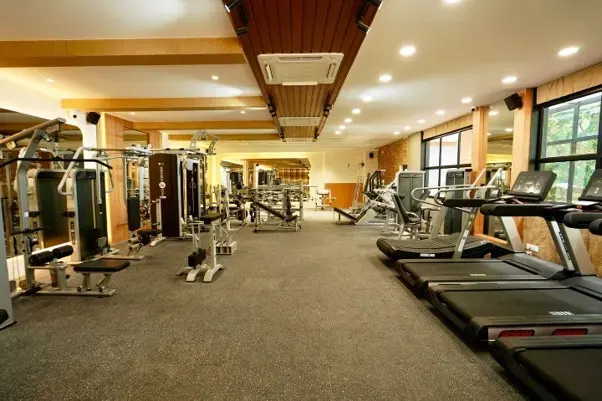
Fitness spaces in India are changing as the people using them change. From equipment-led gyms to spaces built around training, recovery, community and experience, the way we design fitness environments is evolving too.
From Equipment to Experience: The Evolution of Fitness Spaces in India
For a long time, fitness in India was pretty straightforward. We go to the gym to work out. We had home made food. Protein was mostly associated with bodybuilders, and conversations about workouts and nutrition weren’t nearly as common as they are today. That has been altered. The post-COVID fitness and wellness movement has brought a very different audience into fitness spaces. Millennials who had to persuade their families to let them join a gym are now taking their families to the gym. And as the users of fitness spaces change, the spaces themselves have to change as well.
The Indian Gym Is More Than Equipment Now
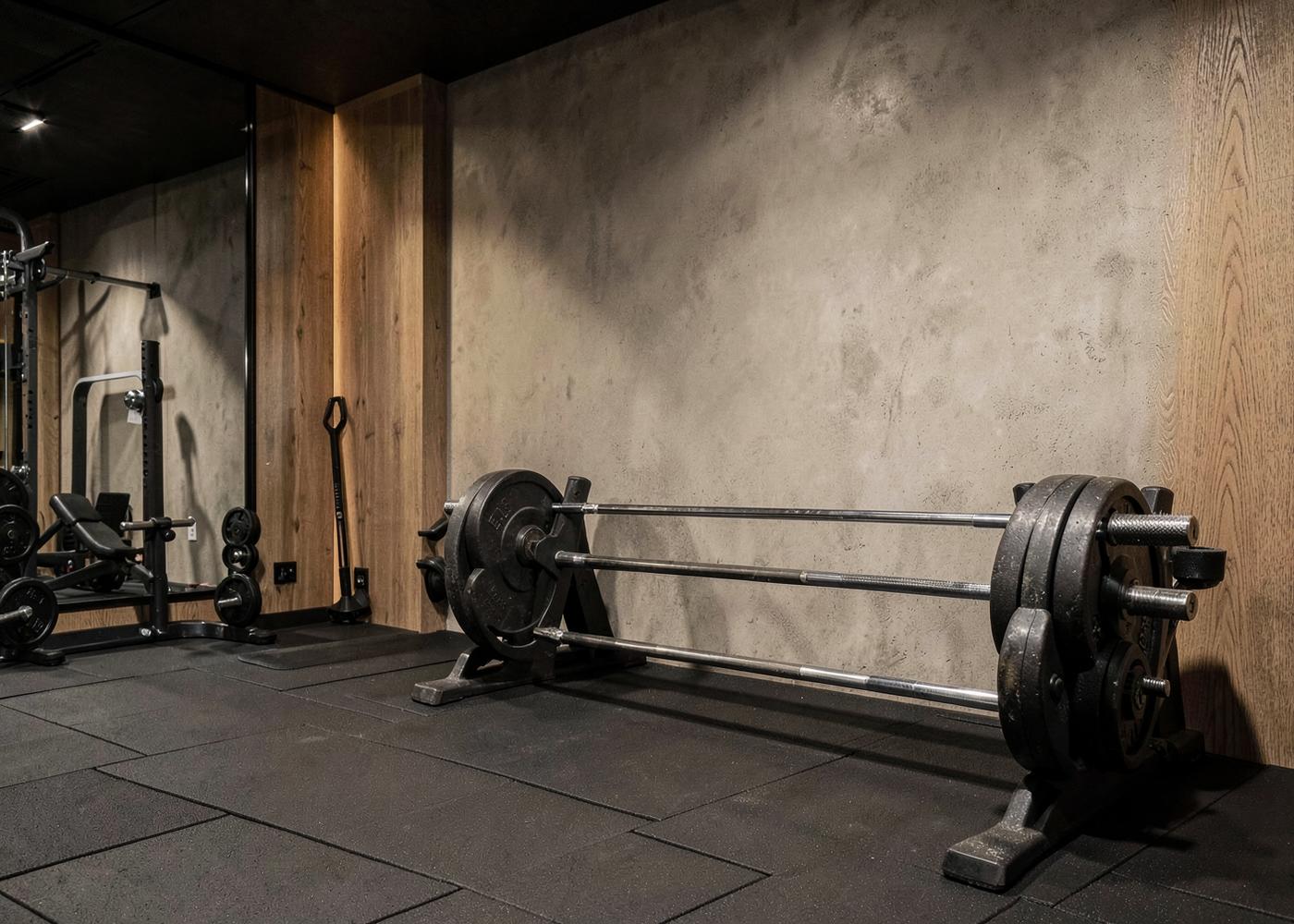
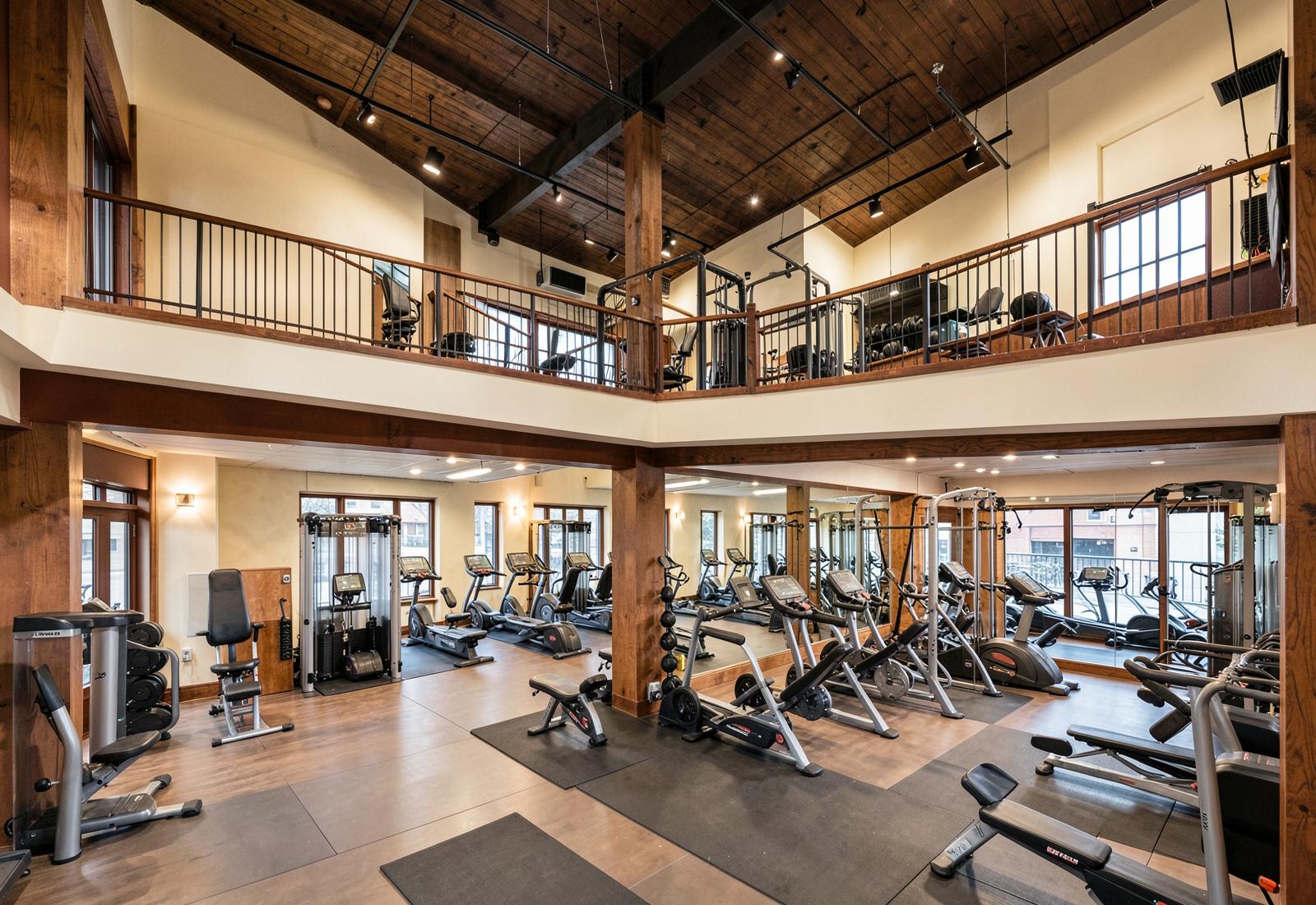
A gym used to be defined by a few familiar things: equipment, mirrors, loud music and room to exercise. That definition is becoming dated. Today, fitness spaces are being utilized by people of different ages, personalities and fitness goals. Some come for weightlifting. Some for group workouts. Some for recovery. Some for community. And more and more, people want to have a sense of belonging in the space. This is where gym interior design moves beyond esthetics. As soon as someone enters a space, the environment says something to them. It can make them feel motivated, comfortable, intimidated, welcomed or totally disconnected. Good design can influence that first feeling.
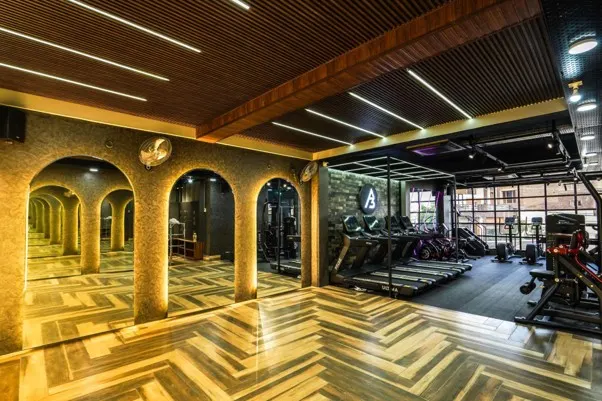
Fitness is becoming a way of life
Fitness is not just the hour you spend working out. People are looking more and more for community, personalized training and experiences that are built around goals. More and more, fitness is about how people socialize, recover, eat and spend their leisure time. This larger shift is evident in the growth of boutique fitness studios, community run clubs and wellness-oriented cafés. If fitness is a part of a person's life, then why should the spaces have to be just functional? The gym itself has to be part of the experience.
What I’m Seeing in My Projects
I’ve noticed an interesting change in the conversations clients want to have in my work designing gyms of various sizes. Earlier, the conversation usually began with: “Where are we going to put the equipment?” Today I hear: We want our space to feel premium. What else we want to bring into the experience? From my experience of working on 15+ gyms, I’ve noticed that clients are thinking more than just fitting in as many machines as possible. They are thinking about what happens before the workout, during the workout and after the workout. That’s a huge change.
Recovery is now a part of the gym
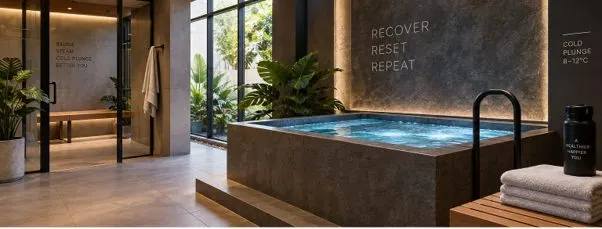
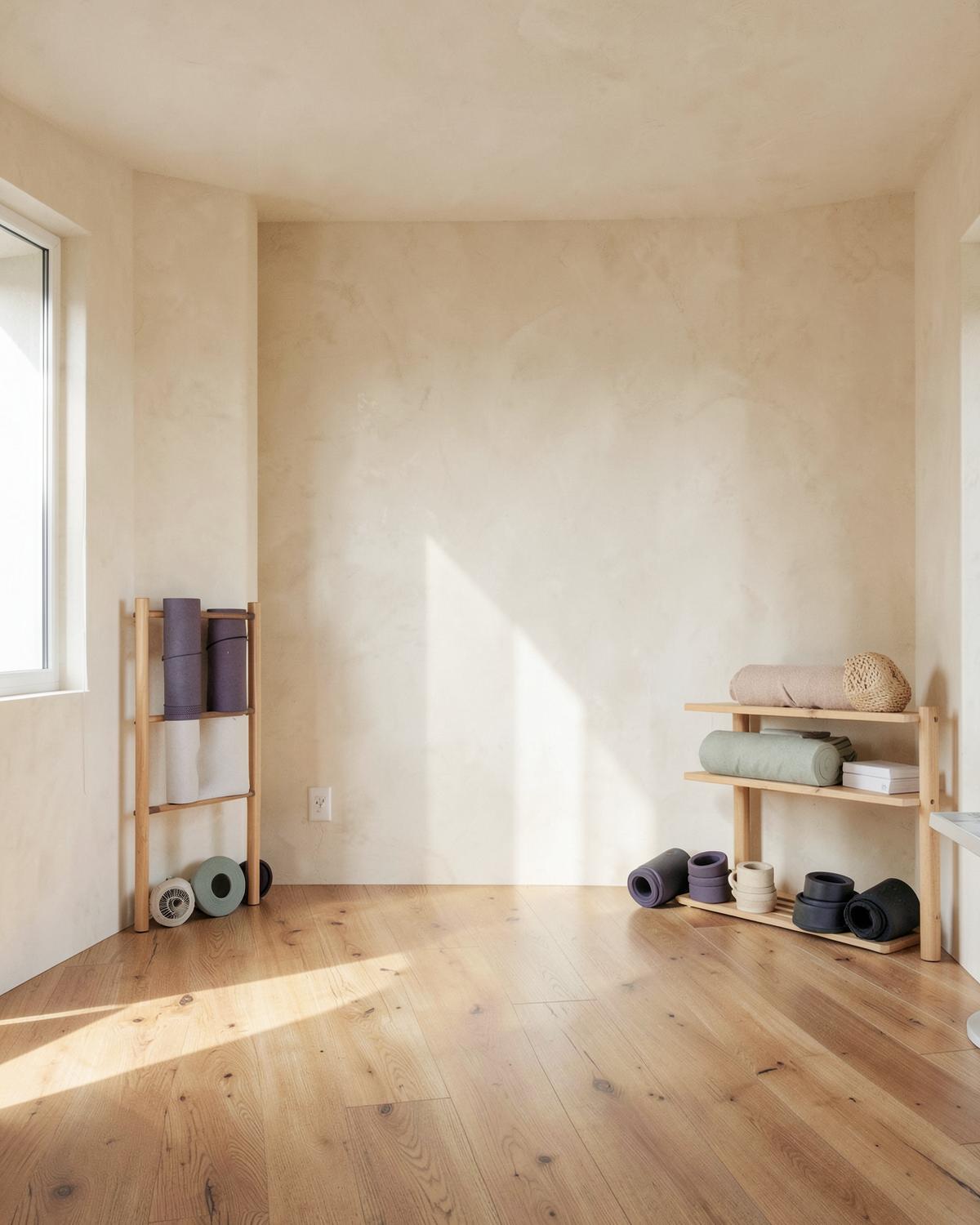
The biggest thing I’ve noticed is the presence of recovery spaces, becoming more and more. Saunas, contrast therapy, ice showers, massage rooms, infrared therapy, ice plunges and salt therapy are making their way into the modern fitness environment. And this is just the beginning I think. The gym concept is moving from just a place to train, to a place where you can train, recover and reset. This changes the way the whole space has to be planned. Recovery shouldn’t feel like an extra room at the end. It should be connected to the training areas and overall journey through the space.
Business Too Can Be Influenced by Design
What I find especially interesting is how the conversation about design often turns into a conversation about revenue. Think of a gym where: • A Zumba class can easily be transformed into a strength training class. • A recovery zone is a place for members to slow down. • The reception area also doubles as a cozy coffee space. • Each zone of workout has its own identity. • Members have areas they naturally want to spend time and create content. These may seem like small design decisions. But together they can change how people experience the facility. Interior design influences how people perceive a brand. And as the experience gets more powerful, the value of the space can transcend the workout itself.
Plan around workout flow space
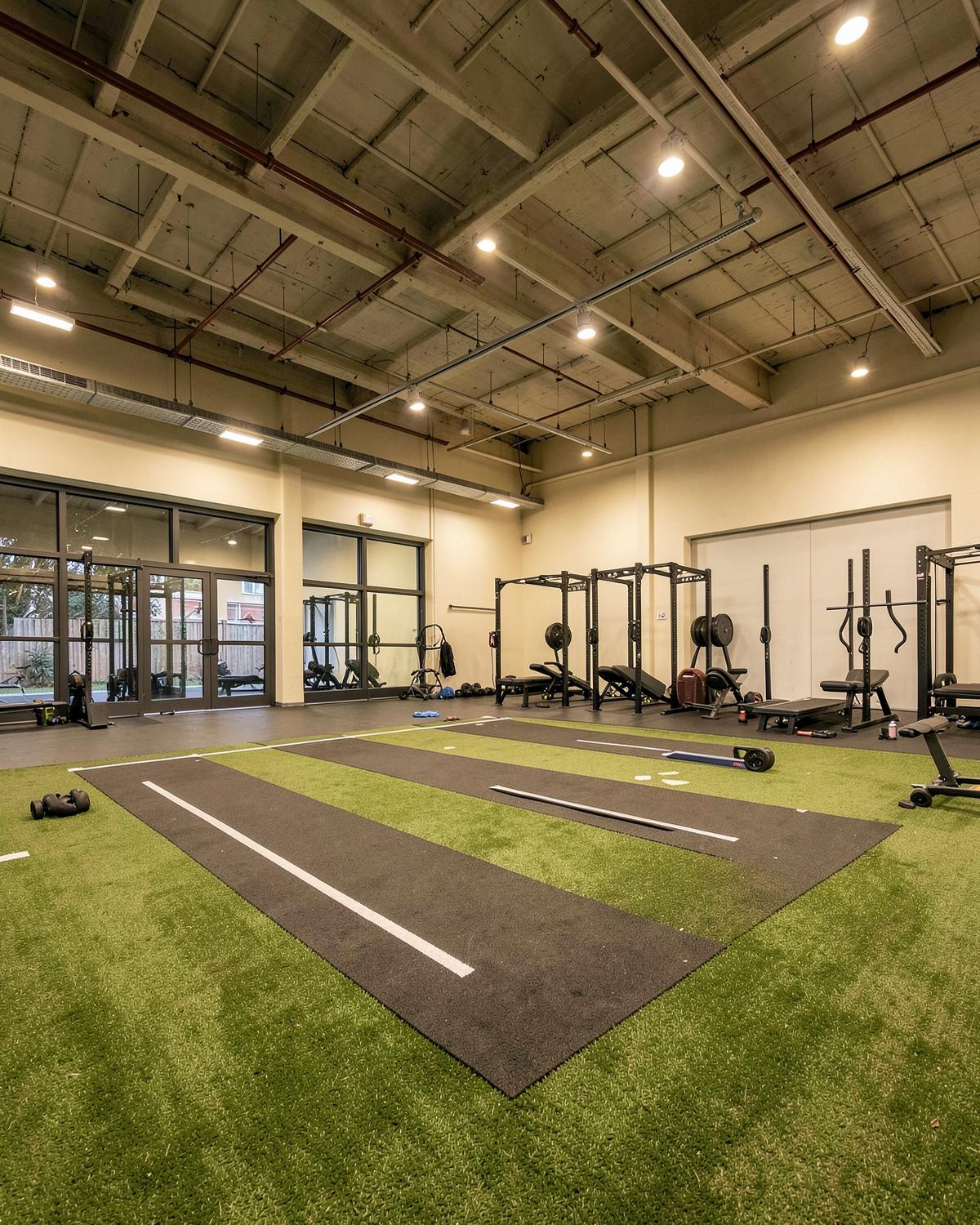
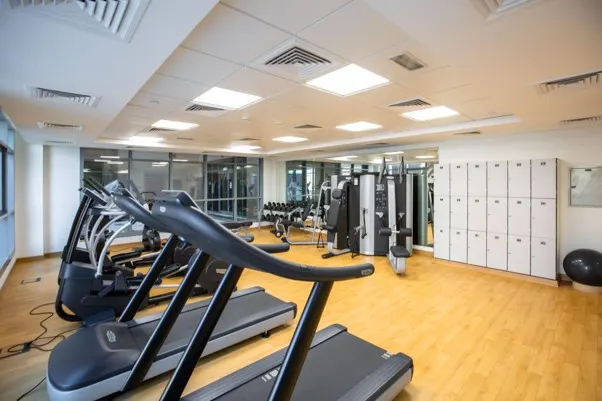
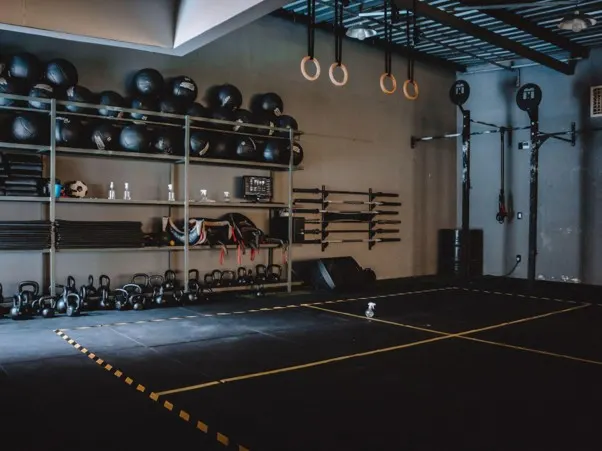
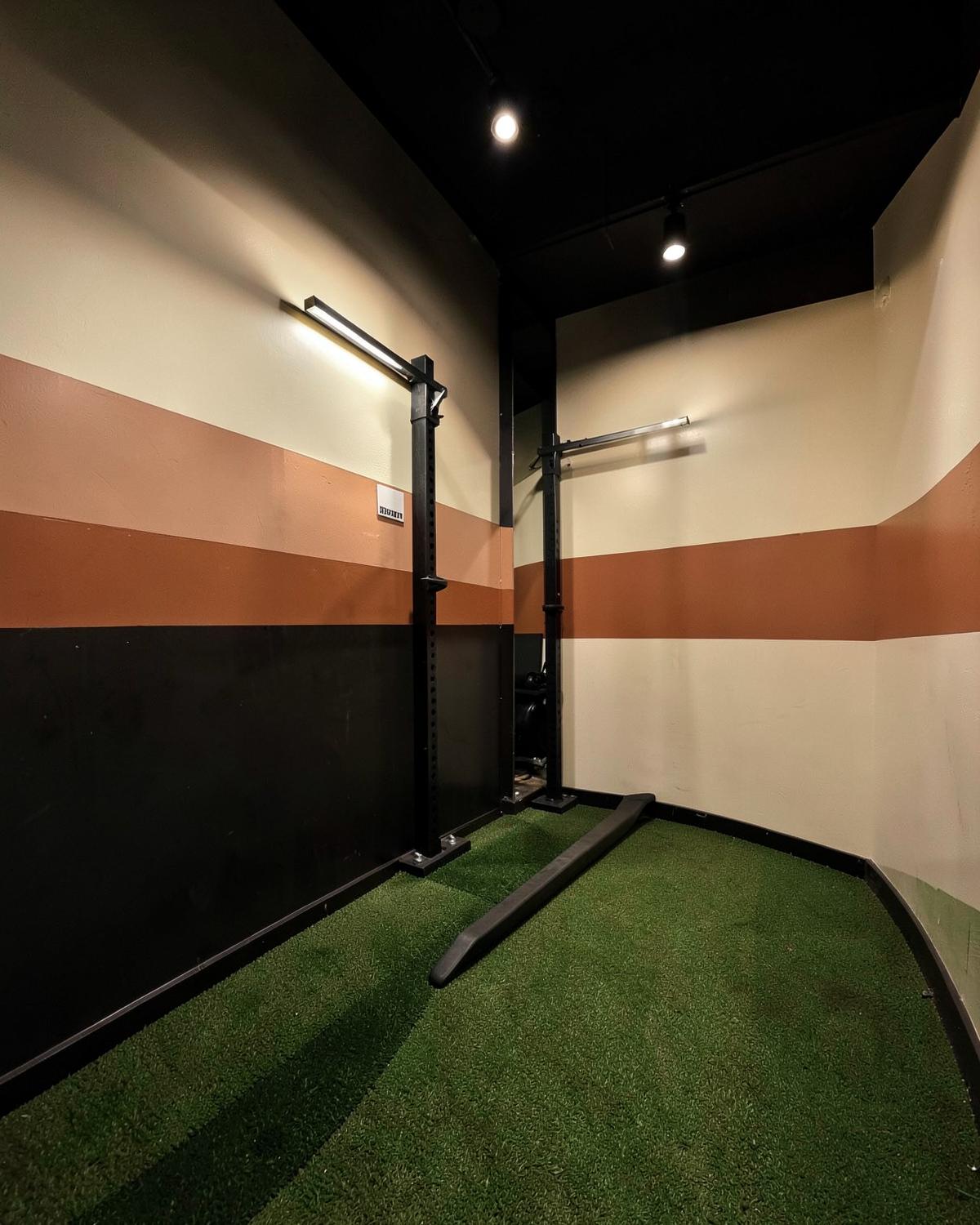
A beautiful gym isn’t enough if it doesn’t work well. The design needs to respond to how people actually train. Different types of training such as strength training, functional training, cardio, group workouts and recovery all have different spatial requirements. Specialized zones can help to make the space more understandable and more comfortable to use. This is why gym space planning and equipment layout should be considered as part of the design process – not treated as an afterthought after the interiors are decided. The equipment matters. But it is the relationship between equipment, user and space that makes the environment work.
Lighting Has the Power to Transform the Energy of a Space
Lighting is one of the most powerful tools in gym interior design. The lighting strategy for a high energy training zone could be very different from a recovery space. Lighting can highlight a strength area, energize a workout zone or slow the pace of a recovery environment. Daylight is just as important. I firmly believe that one of the easiest ways to create a more wellness-oriented environment is to bring natural light into a fitness space whenever the site allows. The days of the dark, enclosed “gym cave” need not be the defining factor in fitness design any longer.
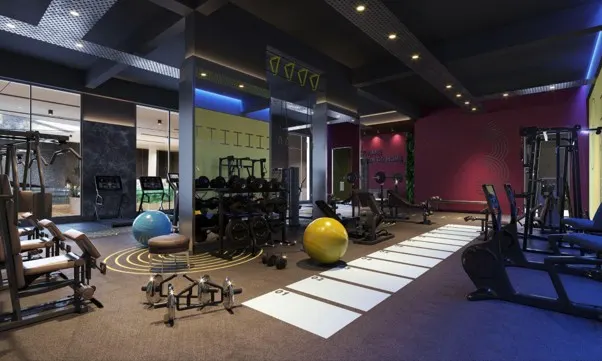
Your gym is your brand
If you’re a fitness business planning on opening multiple locations or franchising, interior design becomes even more important. A brand shouldn’t be identifiable just because you put its logo on the wall. The space itself should speak to the brand. Spatial planning, materials, lighting, colors and architectural details can all work together to create a consistent experience across locations. The design can tell a story instead of just repeating a logo or a color palette. That’s how a fitness brand can begin to feel familiar before a member even sees its name.
The Future of Fitness Facilities
What we are witnessing in India’s fitness industry is only the beginning. As the industry attracts more people and consumer expectations continue to shift, fitness spaces will need to evolve with them. The most successful gym of the future may not be the one with the most equipment. Perhaps the one that understands its users the best. A place to train, recover, connect, create, hang out and feel like you’re part of something. And that’s why I think that the interior design for gyms is as important as the equipment itself. Because the space is experienced before the equipment by members.
by sagrika saraf